
Statesville Unveils Civil Rights Marker Honoring 1960 Woolworth’s Sit-In
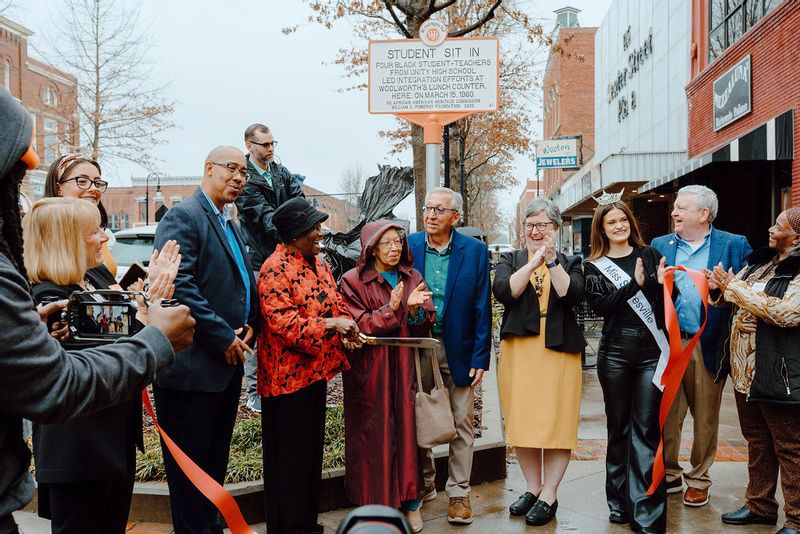
On Thursday, February 26, 2026, community leaders, local organizations, residents, and students gathered on South Center Street for a moment decades in the making.
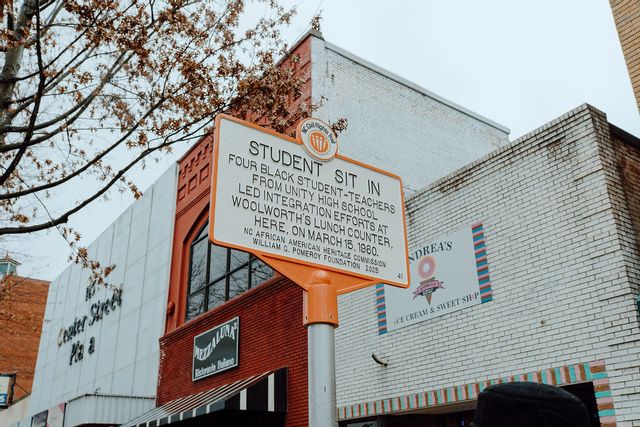
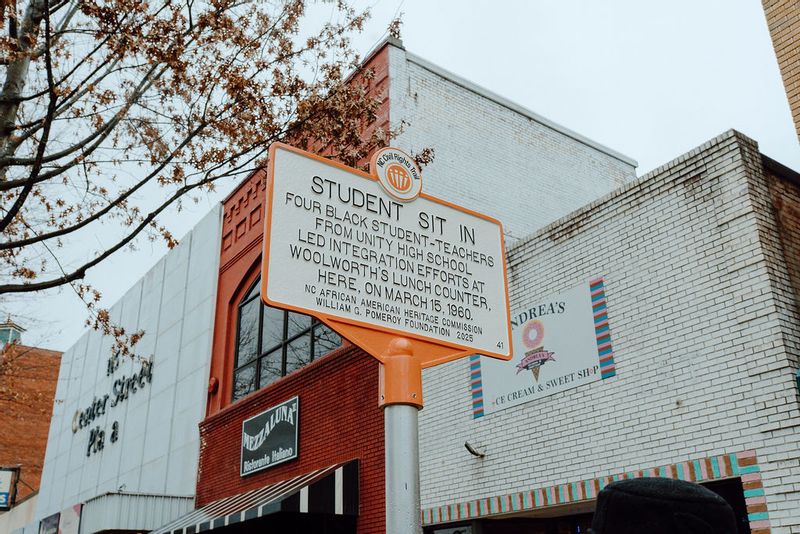
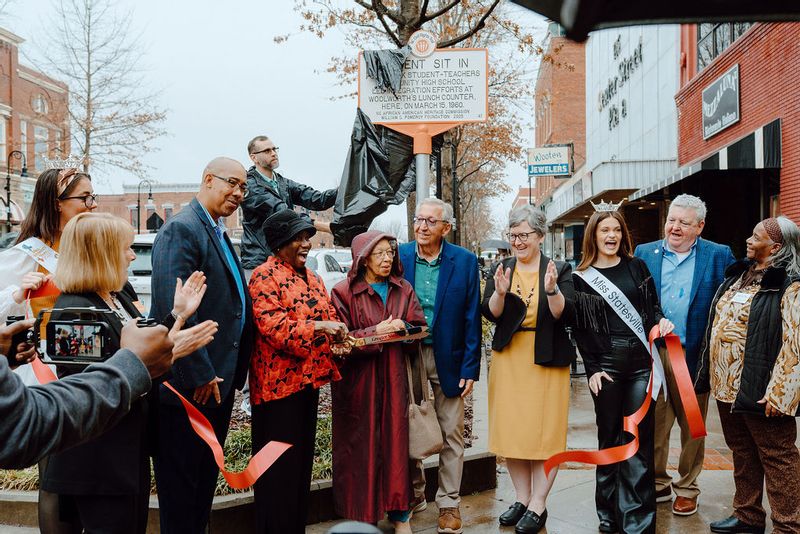
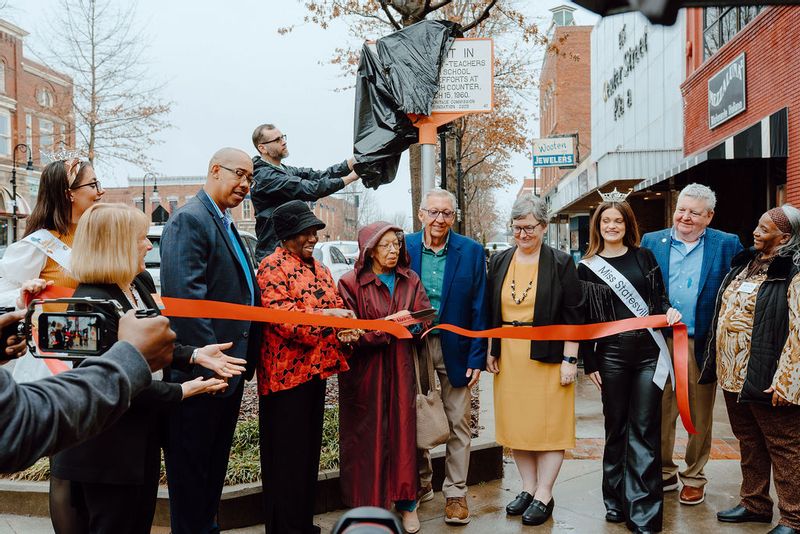
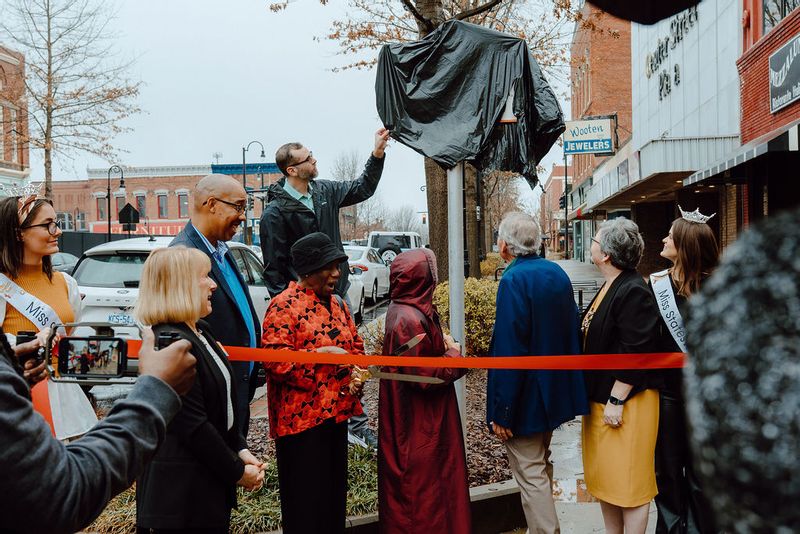
In front of the Statesville Historical Collection, home to the recreated F.W. Woolworth’s lunch counter, a new North Carolina Civil Rights Trail marker was unveiled, formally recognizing Statesville’s role in the 1960 sit-in movement. The ceremony marked not only the installation of a permanent historical marker but the continued commitment of our community to remember, honor, and share this story for generations to come.
Remembering What Happened Here
In March 1960, just weeks after the Greensboro Four sparked a nationwide movement, students in Statesville peacefully took their seats at the segregated Woolworth’s lunch counter located in what is now The Holland Building.
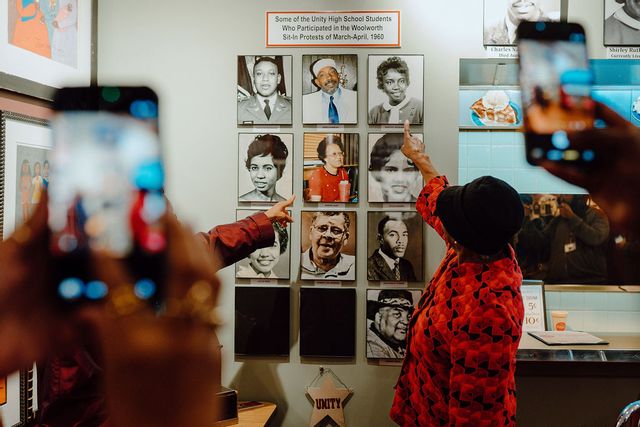
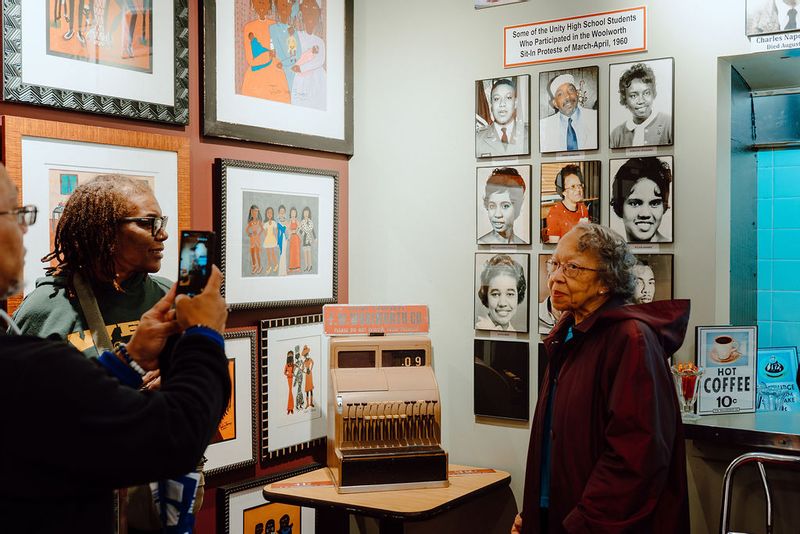
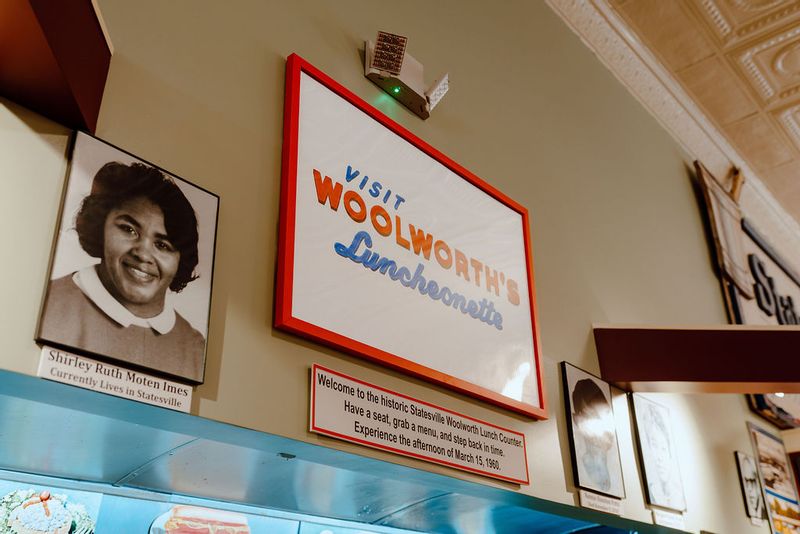
On March 15, four student teachers from Unity School, Charles Hart, Margaret Glenn Johnson, Nannie Houston Potts, and Shirley Ruth Moten Imes, sat at the counter for 45 minutes before being escorted out by local police. They were later charged with trespassing and fined.
Additional sit-ins followed on March 22 and March 30, many involving high school students. Eleven students were jailed during the demonstrations, and bonds were raised repeatedly before they were finally released.
Among those who participated was Dorothy Woodard, just 14 years old at the time. Though terrified, she joined others in peaceful protest, determined to stand against injustice. Their courage, along with the sustained efforts of communities across the South, helped lead to the desegregation of Woolworth’s lunch counters later that summer.
For many years, this history was not widely known outside of those who lived it. Today, it stands firmly acknowledged.
From Hidden Tile to Permanent Marker
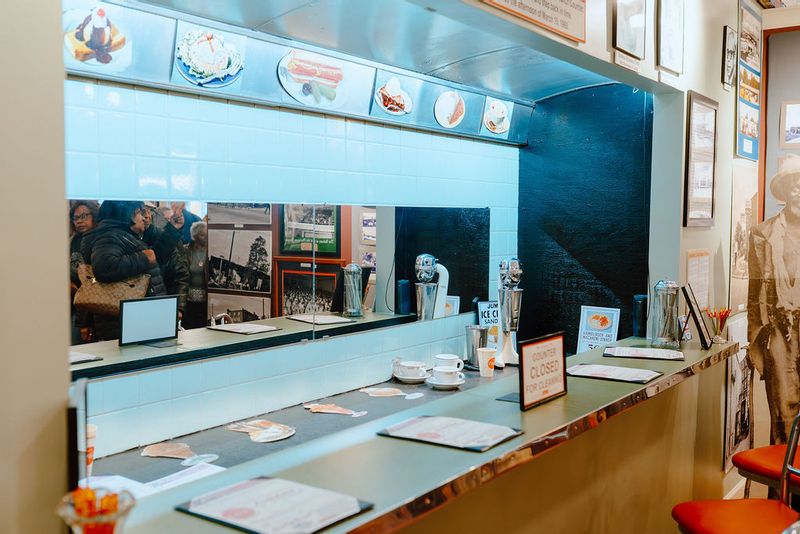
During renovations of The Holland Building, original tile from the former Woolworth’s store was discovered hidden behind a wall. That unexpected find served as a powerful reminder that history was still present within the very structure where the 1960 sit-ins unfolded.
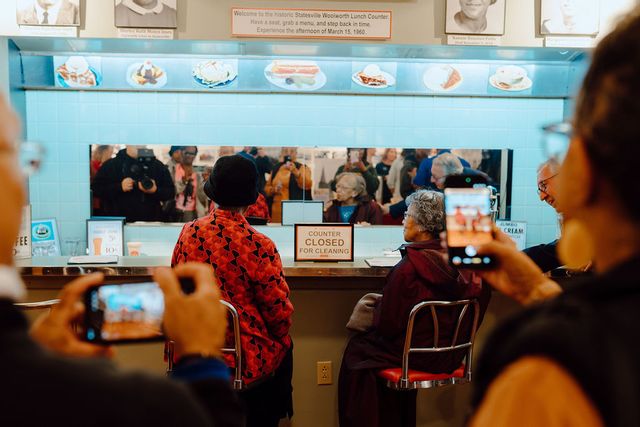
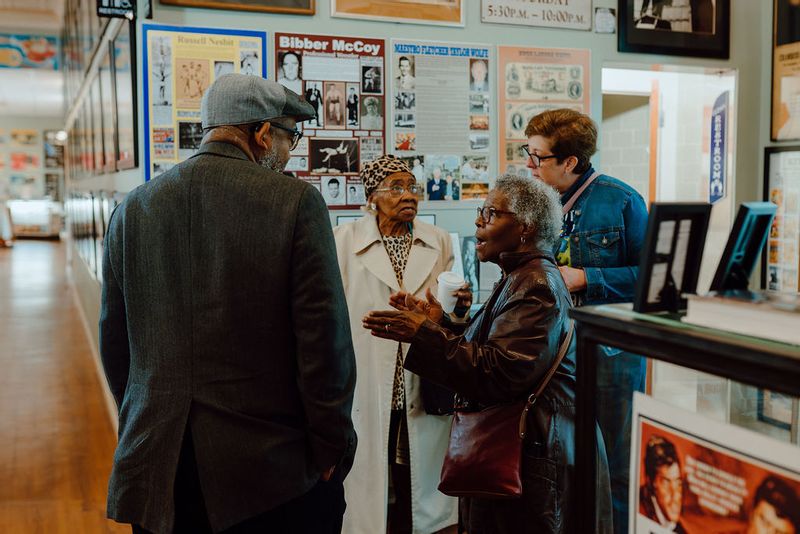
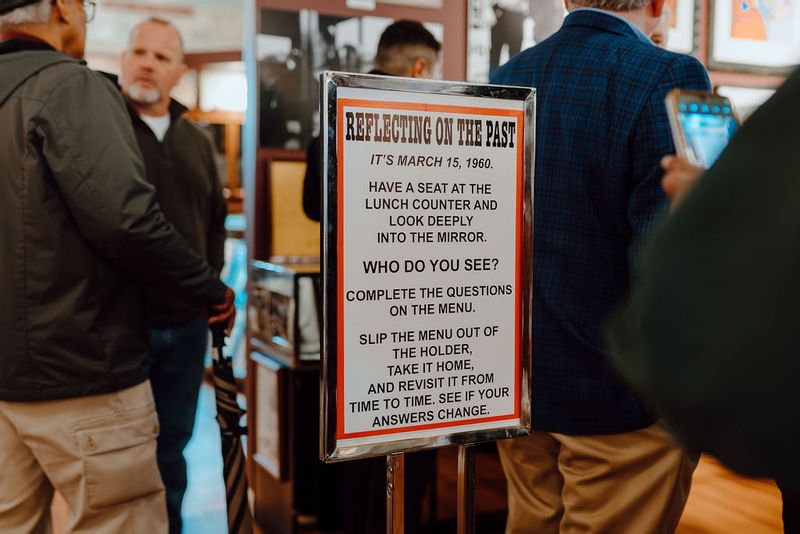
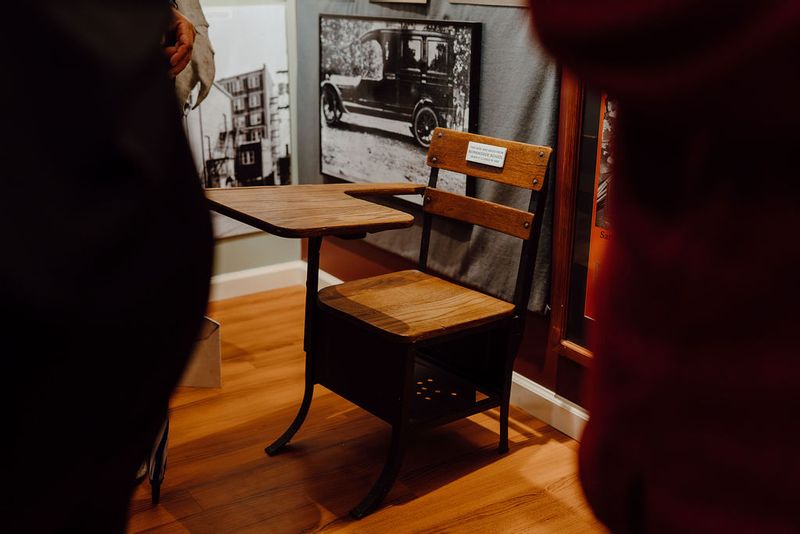
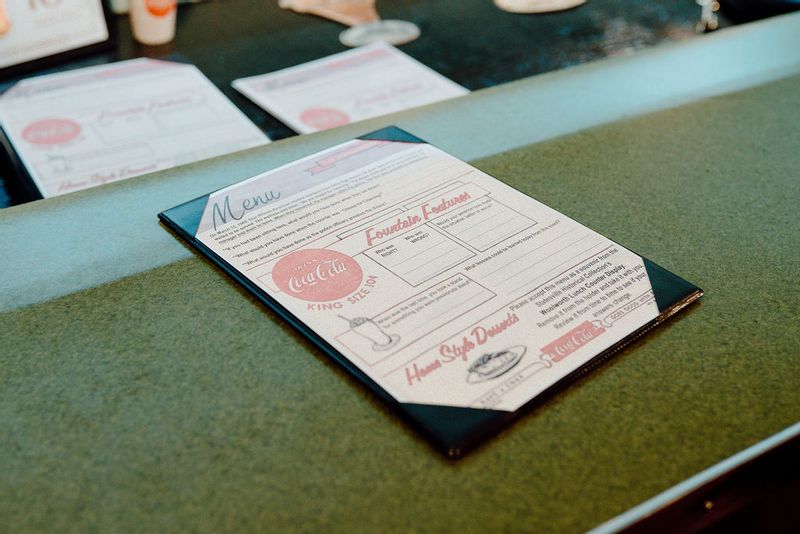
The discovery inspired the creation of the Woolworth’s lunch counter replica exhibit inside the Statesville Historical Collection. Complete with original bar stools, photographs, and interpretive displays, the exhibit invites visitors to reflect on the courage of those who participated in the peaceful protests.
What was once concealed behind drywall became a space dedicated to education, remembrance, and reflection.
The installation of the official Civil Rights Marker now extends that story beyond the walls of the Collection and into public view, ensuring that everyone who walks along South Center Street understands the significance of this site.
A Ceremony Rooted in Community
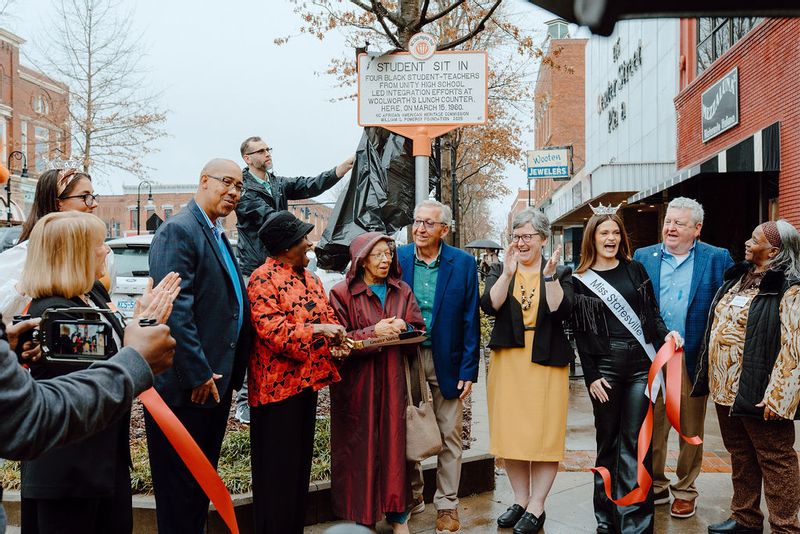
The unveiling ceremony reflected the collaborative spirit that made the marker possible. Representatives from the Statesville Convention and Visitors Bureau, the City of Statesville, and the North Carolina African American Heritage Commission joined local leaders, preservation advocates, educators, students, and longtime residents to commemorate the occasion.
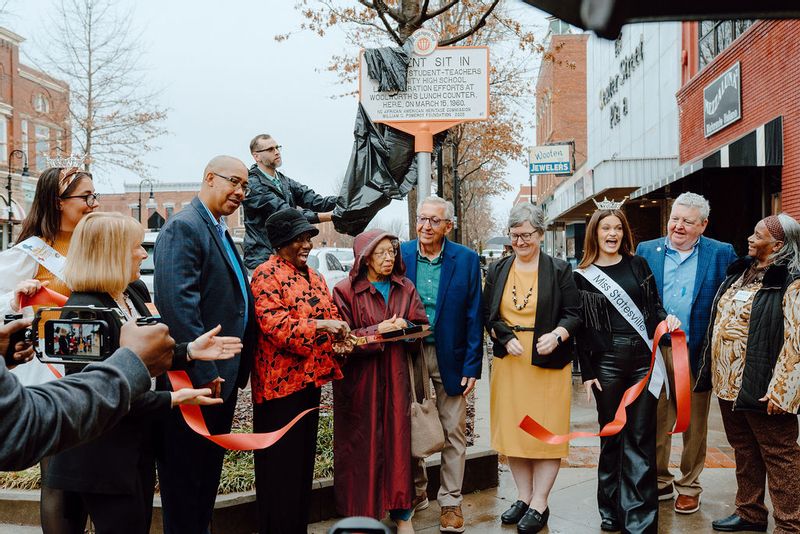
The marker was secured through a statewide initiative to identify and physically mark sites critical to the Civil Rights Movement across North Carolina. Statesville’s inclusion affirms the city’s place within this broader history and honors the individuals who stood for equality right here at home.
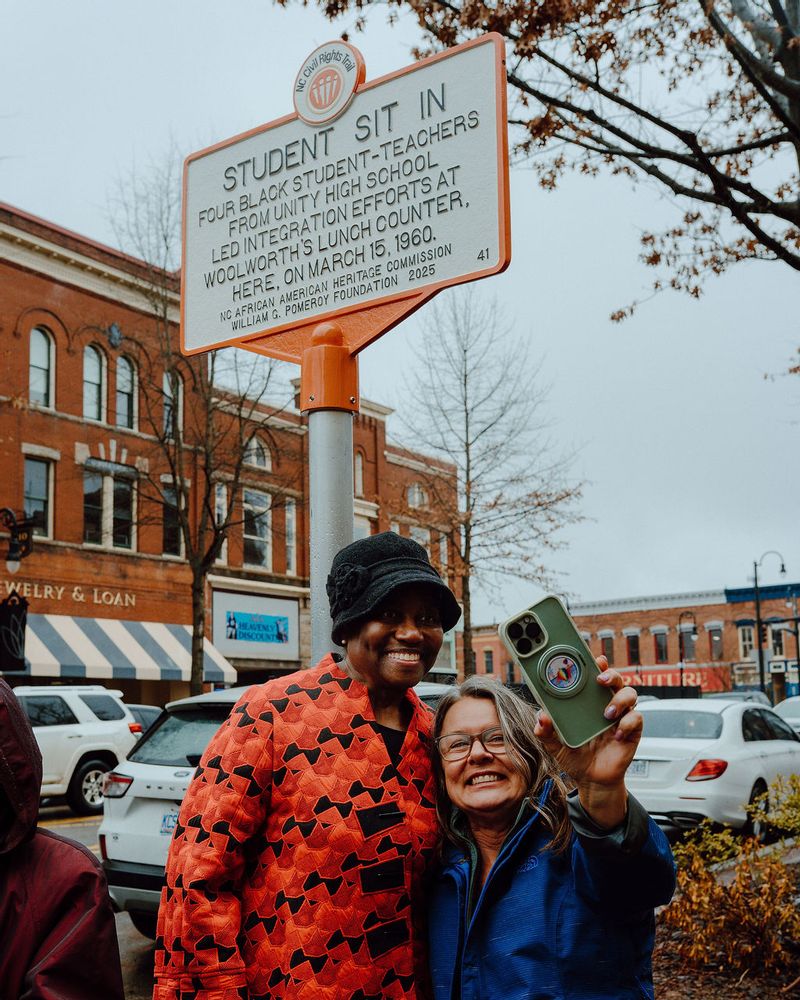
At 11:00 a.m. on Thursday, February 26, 2026, the Civil Rights Marker was unveiled on the sidewalk in front of the Collection. As the covering was lifted, applause filled the street, a meaningful acknowledgment of the bravery shown 66 years ago.
Recognizing Statesville’s Civil Rights Legacy
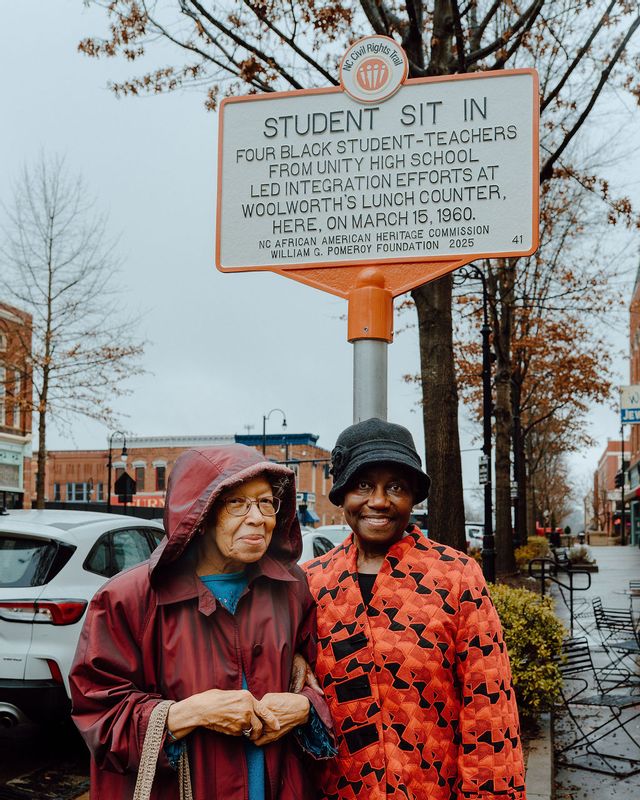
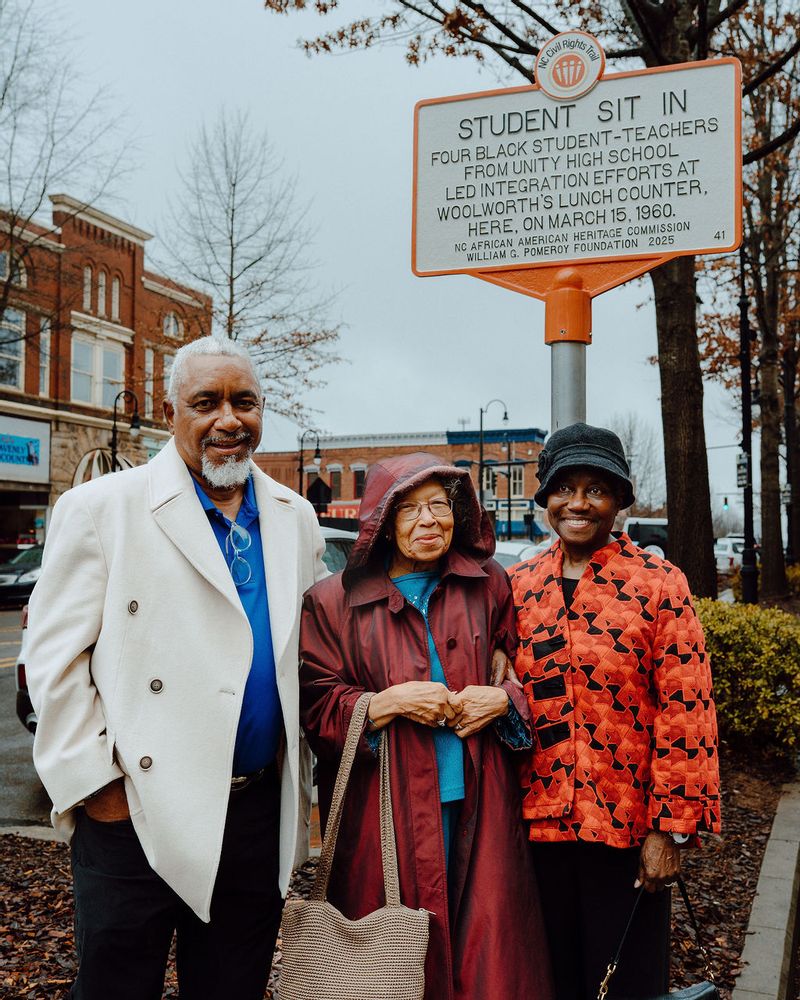
*Pictured: Sandra Houston Hunt (left) and Dorothy Woodard (right) pose in front of the marker recognizing the 1960 sit-ins. Both women took part in the protests.
For generations, communities across North Carolina organized in churches, schools, and downtown storefronts to challenge segregation and demand equal rights. Through its statewide initiative, the North Carolina African American Heritage Commission works to ensure that both well-known and lesser-known civil rights efforts are permanently recognized.
The installation of this marker formally acknowledges Statesville’s place within that broader history.
It affirms the courage of the students and community members who peacefully challenged injustice and helped bring about meaningful change.
This marker is more than a sign along the sidewalk. It stands as a tribute to those who took a stand, an educational resource for future generations, and a visible reminder that the struggle for equality unfolded not only in large cities but also right here in our own community.
By marking this site, Statesville honors its past while ensuring that the lessons of that history remain present and accessible for years to come.
Continuing the Story
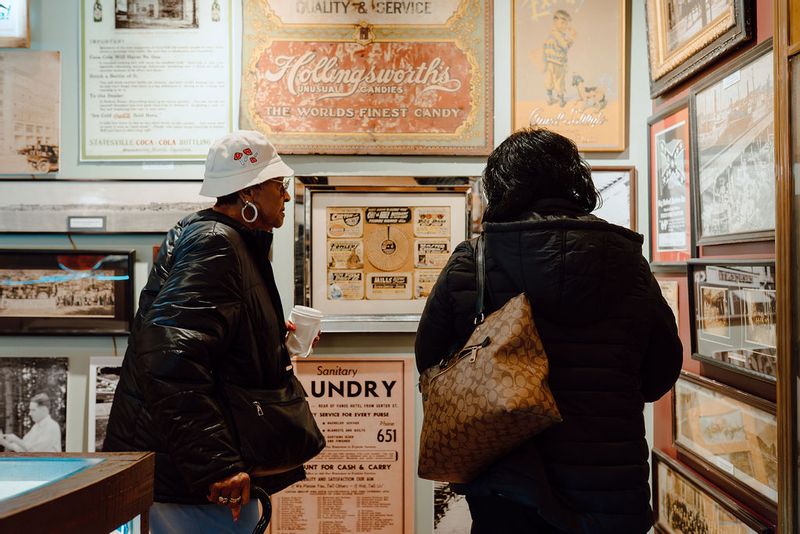
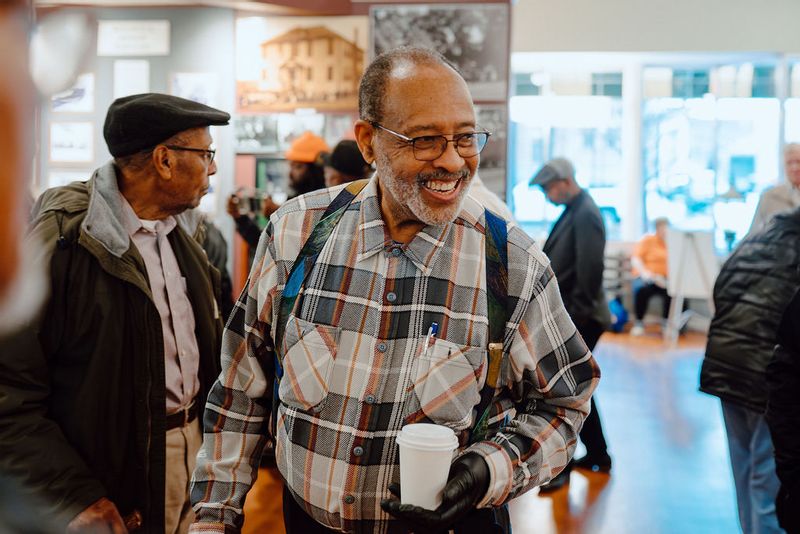
Following the unveiling, guests were invited inside the Statesville Historical Collection for an open house to view the Woolworth’s counter exhibit and reflect on the stories of those who participated in the peaceful protests.
The installation of the Civil Rights Marker represents a collaborative community effort supported by local civic, preservation, and business organizations. It also represents something deeper, a shared commitment to truth, remembrance, and progress.
History did not just happen in Greensboro. It happened here. And now, it is permanently marked for all to see.
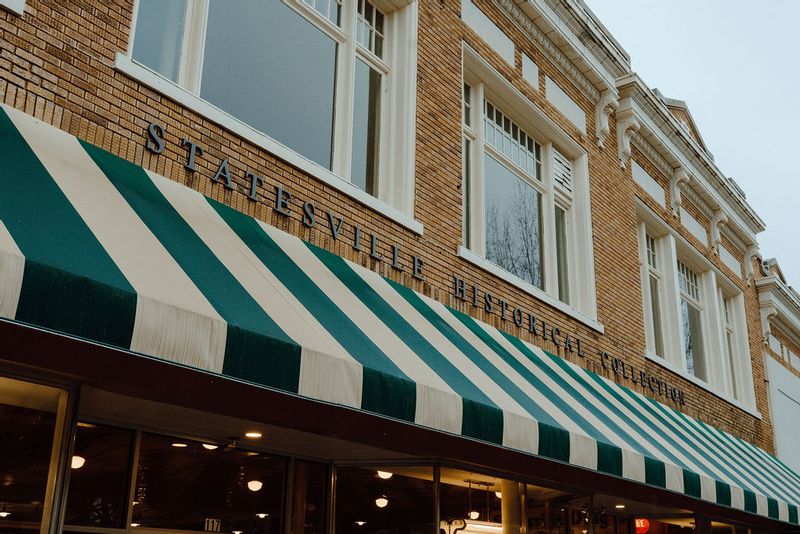
The Statesville Historical Collection, located in The Holland Building at 117 South Center Street in Downtown Statesville, is open and free to the public. Visitors are encouraged to stop in and experience the exhibits firsthand. For more information, visit www.statesvillehistory.com.
Click an image below to display the larger version.














Statesville Historical Collection
117 South Center Street,
Statesville, NC 28677
(704) 397-6959
www.statesvillehistory.com
Alert
We're Open!
Come on in. It's FREE!